
Introduction
Industrial growth has played a major role in economic development, but it has also increased environmental pollution—especially water pollution. Many industries discharge wastewater containing harmful chemicals, toxic substances, and heavy metals. If released untreated, this wastewater can seriously damage ecosystems and public health.
This is where Effluent Treatment Plants (ETPs) become essential. These systems are designed to treat industrial wastewater and make it safe for discharge or reuse. Companies like Univershal Hi-Tech Envirocare Solutions provide advanced ETP systems that help industries minimize pollution while complying with environmental regulations. In this blog, we’ll explore how ETPs work, their importance, and how they support sustainable industrial practices.
What is an Effluent Treatment Plant (ETP)?
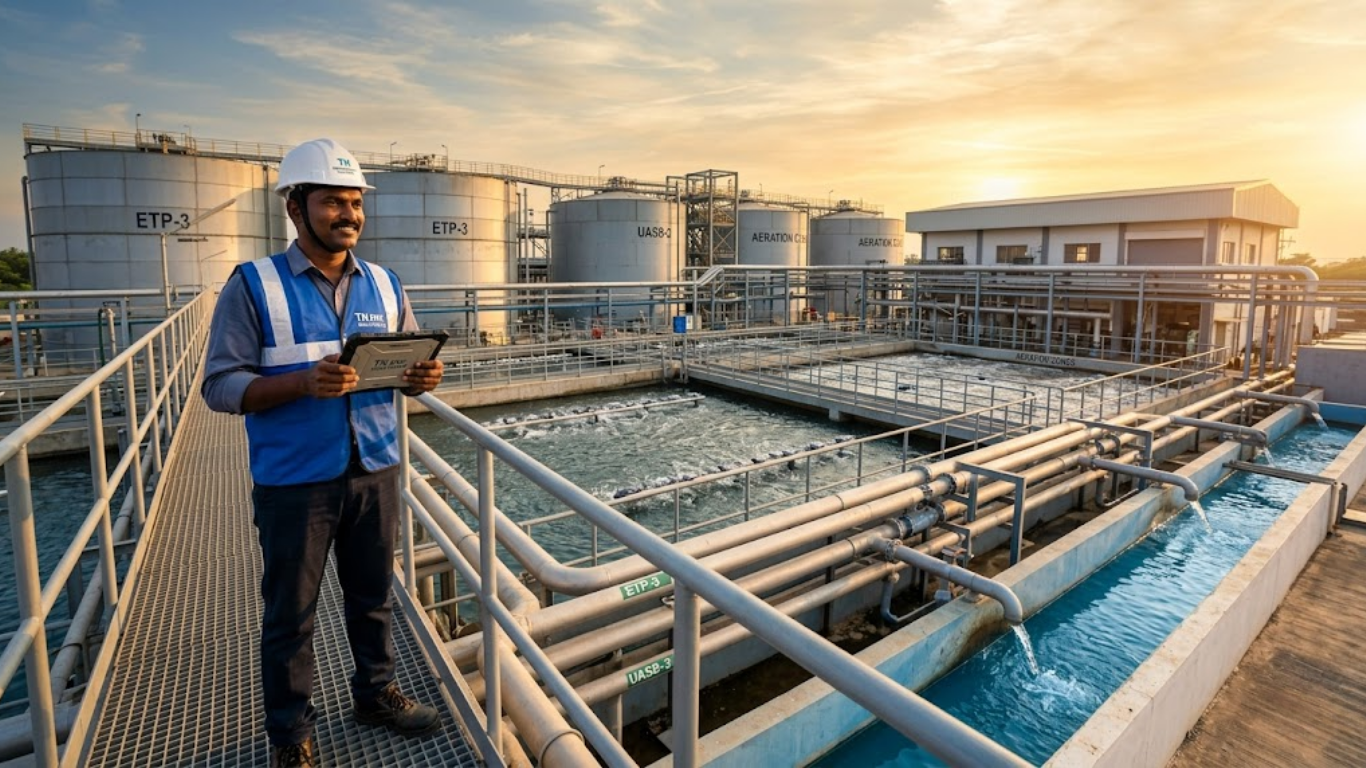
An Effluent Treatment Plant (ETP) is a system used to treat wastewater generated from industrial processes. Its main goal is to remove harmful contaminants such as chemicals, oil and grease, suspended solids, heavy metals, and toxic substances.
After treatment, the water can either be safely discharged into the environment or reused within the industry. This helps reduce water pollution and conserves valuable water resources.
Why Industries Need Effluent Treatment Plants
1. Prevent Water Pollution
Industries often discharge wastewater into rivers, lakes, and groundwater sources. Without proper treatment, this can cause severe environmental damage and destroy aquatic life.
2. Meet Government Regulations
Environmental laws require industries to treat wastewater before releasing it. Failure to comply can result in heavy fines, legal issues, and even shutdowns
3. Protect Public Health
Contaminated water can spread diseases and pose serious risks to humans, animals, and plants.
4. Enable Water Reuse
ETPs allow industries to recycle treated water for reuse in operations, reducing dependency on freshwater sources.
5. Improve Brand Reputation
Companies that adopt eco-friendly practices gain trust, credibility, and a competitive advantage in the market.
How Effluent Treatment Plants Work
ETPs follow a step-by-step process to remove pollutants from wastewater effectively.
1. Preliminary Treatment
Removes large particles, debris, oil, and grease to protect equipment.
2. Primary Treatment
Suspended solids are removed through sedimentation.
3. Secondary Treatment
Biological treatment using microorganisms to break down organic matter.
4. Tertiary Treatment
Advanced filtration and disinfection (UV/chlorination).
5. Sludge Treatment
Sludge is thickened, dewatered, and safely disposed.
Key Ways ETPs Help Reduce Pollution
- Removal of harmful chemicals
- Reduction of BOD and COD levels
- Control of heavy metals
- Prevention of water contamination
- Minimizing environmental impact
Industries That Benefit from ETPs
- Textile and dyeing industries
- Pharmaceutical companies
- Food and beverage processing units
- Chemical manufacturing industries
- Paper and pulp industries
- Breweries and distilleries
Advanced ETP Technologies
- Membrane Filtration – Removes fine particles and dissolved impurities
- Bio-Culture Treatment – Uses beneficial bacteria
- MEE – Supports ZLD systems
- Activated Carbon Filters – Removes odor and chemicals
- Automation Systems – Real-time monitoring
Benefits of Installing an ETP
- Environmental protection
- Cost savings
- Legal compliance
- Sustainable growth
- Improved efficiency
Challenges in Effluent Treatment
- High initial setup cost
- Complex wastewater composition
- Need for skilled operators
- Regular maintenance requirements
Operation and Maintenance of ETP
- Regular inspection of equipment
- Monitoring water quality parameters
- Cleaning and servicing components
- Timely replacement of worn-out parts
Future of Effluent Treatment Plants
- Smart IoT-based monitoring systems
- Water reuse technologies
- Eco-friendly treatment methods
- Zero Liquid Discharge (ZLD)
Conclusion
Effluent Treatment Plants play a vital role in reducing industrial pollution and protecting the environment. By investing in advanced ETP systems, industries can ensure compliance, reduce costs, and contribute to a cleaner and greener future.